Tooth extraction is a procedure performed by dentists for various reasons. Generally, teeth that are damaged or cannot be treated due to decay, trauma, gum disease, or tooth decay need to be extracted.
The tooth extraction procedure is usually performed under local anesthesia. The dentist first injects an anesthetic into the gum to minimize pain. Then, they gently loosen the tissues around the tooth to facilitate its removal, incise the gum if necessary, and extract the tooth.
After a tooth extraction, mild bleeding and swelling may occur in the extraction area. Your dentist will explain what to look out for during this process and how to heal. Additionally, painkillers or antibiotics may be prescribed to relieve post-extraction discomfort.
There are several points you should pay attention to after a tooth extraction. For the first 24 hours, it is important to avoid applying pressure to the extraction site and to steer clear of hot food or drinks. You may use mouthwash solutions to keep the extraction area clean. Your dentist will schedule follow-up appointments to monitor your recovery.
Tooth extraction is typically a smooth procedure, and the recovery period usually lasts a few days. However, if you experience excessive bleeding, severe pain, or signs of infection after the extraction, you should contact your dentist immediately.
By integrating our professional experience and vision for the future with our service and energy, we bring a new synergy to the field of dentistry.
Zirconia crown treatment is applied to our patients who have irregularities in their dental structure and wish to achieve a more aligned smile. It is one of the most preferred procedures within aesthetic dentistry.
We perform necessary surgical interventions in the jaw and oral area, dental implant placements, and other procedures related to the jawbones. These treatments are essential for preserving the health of the jaw structure and teeth.
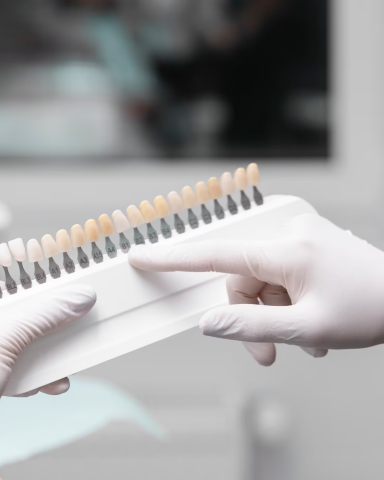
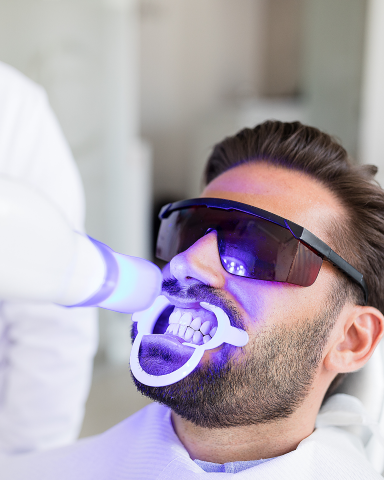
Teeth whitening is a procedure designed to lighten the shade of the teeth and provide a brighter appearance. It should be performed by a dentist to prevent damage to the tooth enamel and to avoid long-lasting sensitivity.
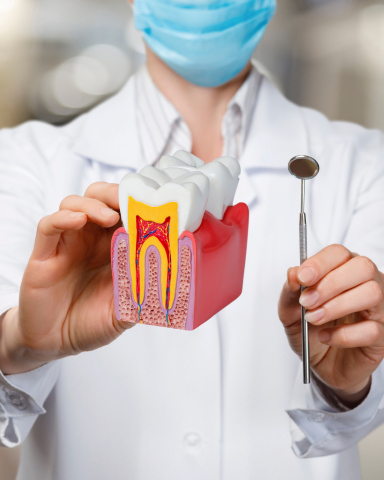
Root canal treatment is a method applied when the pulp tissue containing the nerves and blood vessels inside the tooth becomes infected or damaged. This treatment is performed to save the tooth and allow it to continue being used healthily. During the procedure, the inside of the tooth is cleaned, the infected tissue is removed, and it is filled with biocompatible canal filling materials.
At our center, this procedure is carried out with complete comfort under local anesthesia. Similar to other dental treatments, mild discomfort may be experienced after the procedure, but this can easily be managed with prescribed painkillers. The vast majority of our patients complete the implant process far more comfortably than they anticipated.
Orthodontic treatment can be applied to any patient at any age, provided there is continuing growth and development potential, or simply healthy bone support. However, just like every disease, case, and oral condition, each age group has its own specific considerations that must be taken into account.

Tooth whitening does not damage the teeth when performed with the right techniques and by a professional dentist.
The whitening methods used in our clinic
bring out the natural shine of your teeth
without harming the tooth enamel.
Of course it is not harmful. In fact, there is an entire academic discipline based on this procedure. Tartar is the causative factor of all gum diseases. Ultimately, it must be removed from the mouth consciously and by skilled hands. However, avoiding oral hygiene practices with the mindset of "my dentist will clean it anyway" invites the accumulation of tartar after every procedure. The important thing is not having tartar removed, but keeping teeth clean. That is because tartar removal is not a cosmetic procedure, but a form of medical treatment.