

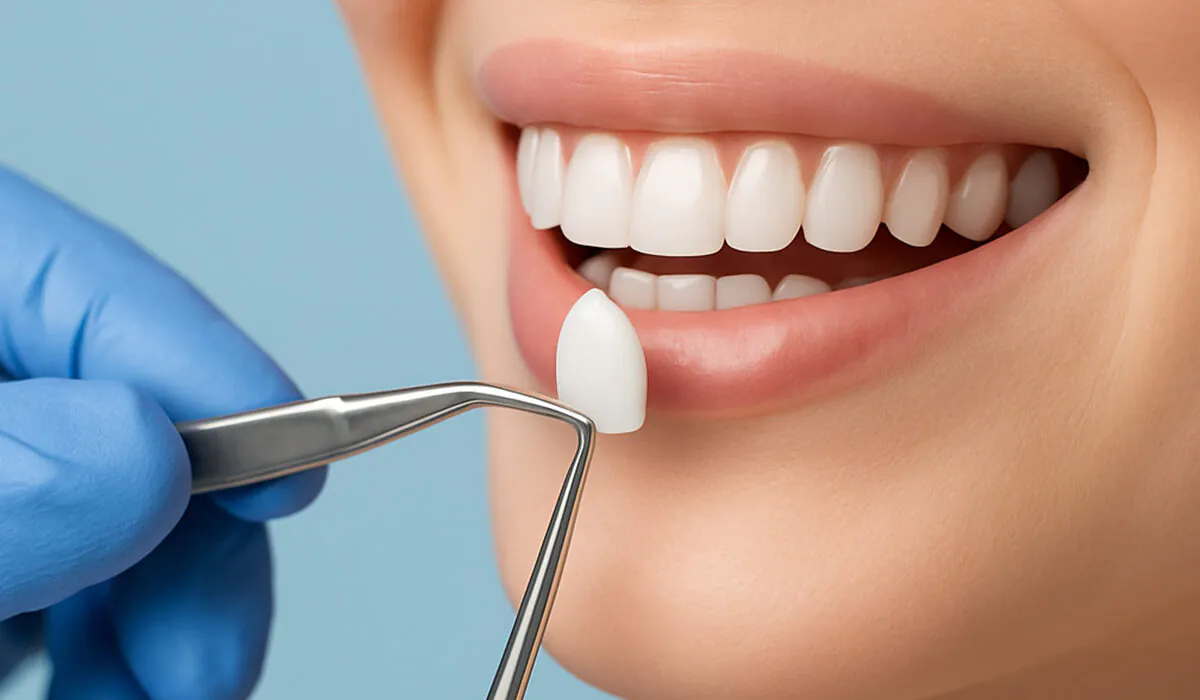
What is a Laminate Veneer?
What is a Dental Veneer? A Detailed Look
Dental veneers are thin, custom-made porcelain or composite resin shells bonded to the front surface of the teeth. These shells are designed to mimic the natural appearance of teeth and are used to improve their color, shape, size, and alignment. Dental veneers act almost like thin masks worn over the teeth; they provide an aesthetic transformation while preserving the existing tooth structure.
Materials Used for Dental Veneers
Two main materials are typically used in the production of dental veneers:
- Porcelain (Ceramic) Veneers: This is the most common and preferred type. Porcelain veneers are extremely durable, have a luster similar to natural tooth enamel, and are stain-resistant. Since they can be produced in different shades, they offer the opportunity to choose the one that best matches your tooth color.
- Composite Resin Veneers: These can be a more economical option. They are applied and shaped in layers directly onto the tooth while in the dentist's chair. Although not as durable as porcelain veneers, they provide a fast aesthetic improvement.
The Application Process of Dental Veneers
Dental veneer application is a delicate procedure consisting of several steps:
- Consultation and Planning: In the first step, you meet with your dentist to evaluate your expectations and current dental condition. At this stage, photographs and impressions of your teeth are taken, and a personalized treatment plan is created.
- Preparation of the Teeth: To ensure that the dental veneers fit better and achieve a natural appearance, a very thin layer is etched away from the front surface of the teeth. This amount of reduction is determined based on the thickness of the veneer and your existing tooth structure. In some cases, veneer application can be performed without the need for reducing the teeth.
- Application of Temporary Veneers (If Needed): While your permanent veneers are being prepared, temporary composite veneers can be applied to maintain your aesthetic appearance.
- Preparation of Permanent Veneers: Your custom dental veneers are produced in the laboratory using the impressions and prepared models of your teeth. This process usually takes a few days.
- Bonding the Veneers: The fabricated dental veneers are carefully placed and bonded onto your teeth using a special adhesive agent. After the bonding process is complete, your dentist checks your occlusion (bite) and makes the necessary adjustments.
What Are the Advantages of Dental Veneers?
There are many reasons why dental veneers are a popular choice in cosmetic dentistry:
A Revolution in Aesthetic Appearance
The most obvious advantage of dental veneers is that they create an extremely natural and aesthetic smile by instantly improving the color, shape, and size of the teeth. Yellowed, stained, slightly crooked, or worn teeth achieve a flawless appearance thanks to dental veneers.
Durability and Longevity
Porcelain veneers, in particular, can last for years with proper care. High-quality porcelain materials are quite resistant to chewing forces, and their risks of breaking or cracking are low.
Resistance to Staining
Porcelain veneers are more resistant to staining compared to natural tooth enamel. Thanks to their resistance to staining substances such as coffee, tea, and cigarettes, the color of your teeth is preserved for a long time.
Minimal Tooth Tissue Loss
Dental veneer application usually requires the removal of only a very thin layer from the front surface of the teeth. This is a conservative treatment method that minimizes the loss of tooth tissue.
Preserving the Natural Tooth Structure
Since dental veneers are applied over your existing tooth structure, they do not affect the root structure and nerves of the tooth. This is an advantage that preserves the vitality of the tooth.
Compatibility with Gum Health
Porcelain veneers are made from biocompatible materials that blend well with gum tissue. This reduces the risk of gum inflammation or irritation.
Quick Results
In some cases, especially when composite veneers are used, the dental veneer procedure can be completed in a single session. For porcelain veneers, two or three sessions are usually sufficient.
Who Are Dental Veneers Suitable For?
Dental veneers can be an ideal solution for many people with various aesthetic concerns. Applicability is determined as a result of a detailed examination by the dentist. In general, people experiencing the following conditions are suitable candidates for dental veneer treatment:
Discolored Teeth
Teeth with deep discolorations, such as tetracycline stains, which do not respond to teeth whitening methods, can be covered with dental veneers.
Teeth with Shape Deformities
Congenital or acquired tooth shape deformities, small fractures, or wear can be corrected with dental veneers.
Gapped Teeth (Diastema)
Gaps between teeth can be closed by adjusting the size and shape of the dental veneers, achieving a more aesthetic appearance.
Slightly Crooked Teeth
Misalignments mild enough not to require orthodontic treatment can be corrected with dental veneers to bring the teeth into a straighter line.
Chipped or Broken Teeth
Teeth that are chipped or broken due to accidents or trauma can be aesthetically restored with dental veneers.
Aesthetics of Old Fillings
Old or large fillings located on the front teeth that compromise the aesthetic appearance can be replaced with dental veneers to restore the natural look of the teeth.
However, individuals who suffer from teeth grinding (bruxism), have advanced gum disease, or have severe tooth decay may require additional treatments before receiving dental veneers.
Care and Lifespan of Dental Veneers
Regular care and careful use are essential to maintain the longevity and aesthetic appearance of dental veneers. The lifespan of porcelain veneers can typically be 10–15 years or more. The lifespan of composite veneers is shorter, and they may need to be replaced in about 5–7 years.
Daily Oral Hygiene
You should care for your laminate veneers just like your natural teeth. Brushing your teeth at least twice a day and using dental floss keeps both your veneers and surrounding gums healthy.
Choosing the Right Toothbrush and Toothpaste
It is recommended to use a non-abrasive, soft-bristled toothbrush and fluoride toothpaste. Hard brushes or abrasive toothpastes can scratch the surface of the laminate veneers.
Regular Dental Check-ups
Visiting your dentist every six months is important to check your overall oral health, evaluate the condition of your laminate veneers, and detect any potential problems early.
Avoiding Harmful Habits
You should avoid biting hard objects with your laminate veneers (such as pens or nails) and habits like chewing on ice. These types of actions can cause damage to the veneers.
Teeth Grinding (Bruxism) Treatment
If you have a teeth grinding problem, you may need to protect your laminate veneers with solutions such as using a night guard. Your dentist will guide you on this matter.
Frequently Asked Questions About Laminate Veneers
Is Getting Laminate Veneers a Painful Procedure?
Since a thin layer is removed from your teeth during the laminate veneer application, local anesthesia is applied. Therefore, you will not feel pain during the procedure. Mild sensitivity may be experienced after the procedure, but this usually subsides in a short time.
Are Laminate Veneers Permanent?
Laminate veneers offer a permanent aesthetic solution. However, their lifespan varies depending on material quality, care, and usage habits. With proper care, they can last for many years.
Do Laminate Veneers Turn Yellow Over Time?
Porcelain veneers are highly resistant to staining and yellowing. Composite veneers may undergo discoloration over time, but this process can be slowed down with regular maintenance.
What Is the Cost of Laminate Veneers?
The cost of laminate veneers varies depending on the material used (porcelain or composite), the location of the clinic, the dentist's experience, and the number of teeth to be treated. Generally, porcelain veneers are more expensive than composite veneers.
Can Laminate Veneers Be Distinguished from Natural Teeth?
Laminate veneers applied with quality craftsmanship and the right adhesives have an appearance that is difficult to distinguish from natural teeth. They mimic natural teeth in terms of color, light translucency, and surface texture.
Are There Dietary Restrictions After Laminate Veneer Treatment?
You can return to your normal diet after your laminate veneers are bonded. However, avoiding hard and sticky foods for the first few days can help the veneers settle completely.